


Sine Scientific Instruments
Lock-in Amplifier

Applications

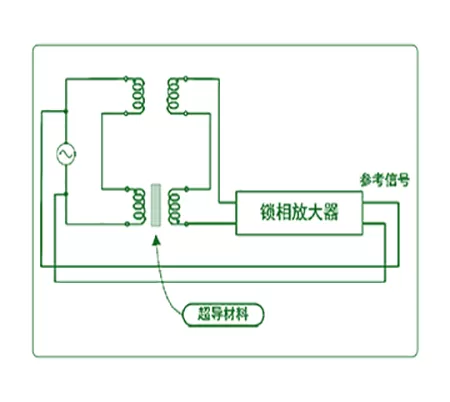
Weak Current Measurement Report for Superconducting Material by Lock-in Amplifier
Samples of superconducting material applied by a weak alternating voltage can occur a weak current through itself, which can be measured by LIA in order to avoid the measurement error from thermoelectric EMF effect.
Learn More
Application in the Determination of Chemical Resistance
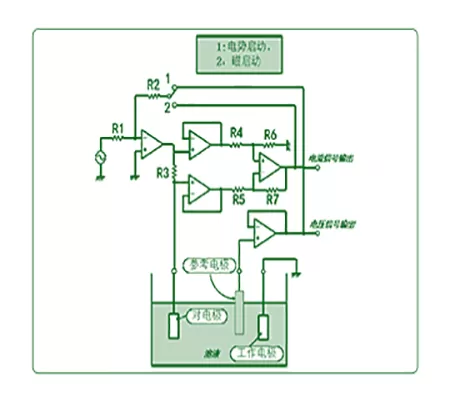
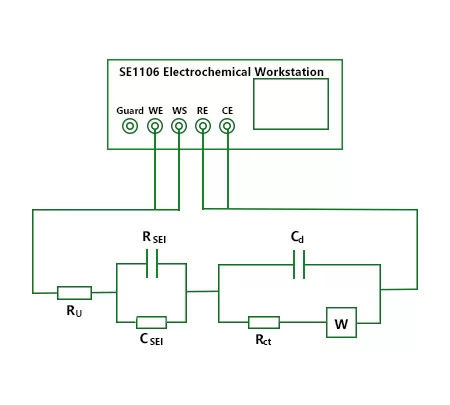
To measure the chemical impedance at complex frequencies, a frequency response analyzer, known as the digital version of the lock-in amplifier, is used to make the frequency sweep easier to use.
Learn More
Application in Metal Detectors
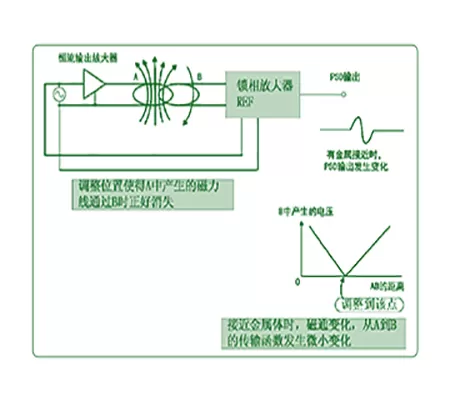
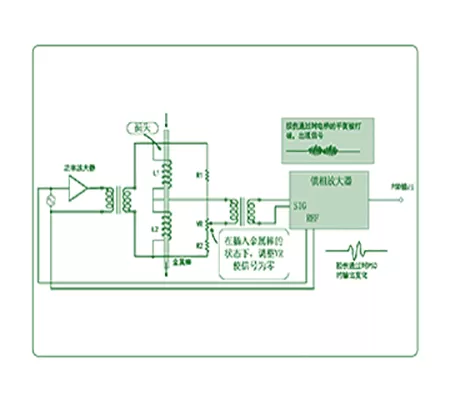
The metal detector measures the small change in the sensor's transfer function with a lock-in amplifier.
Learn More
Application in Eddy Current Testing
Turbine flaw detectors used by smelters are a type of device similar to metal detectors that can automatically check for metal body damage.
Learn More
Spectral Detection Based on Monochromator
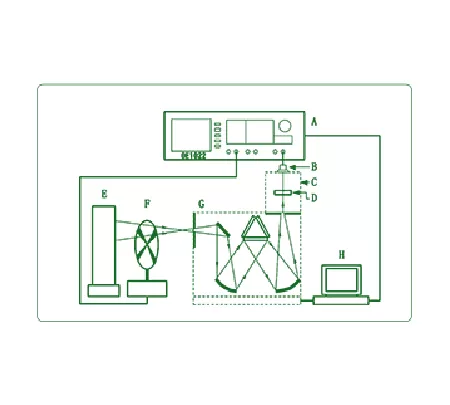
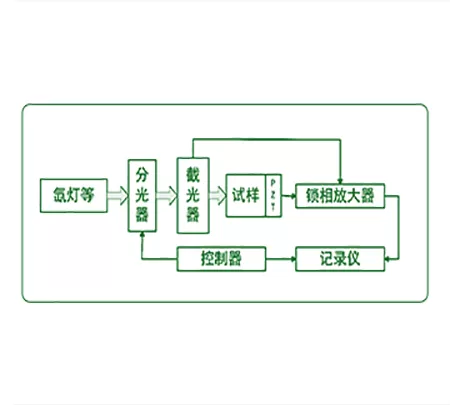
Spectral measurement system built by a lock-in amplifier and a chopper, only measures the light intensity with a modulated frequency, so as to avoid the influence of other external noise, which can achieve the detection of low light with high precision.
Learn More
Application in Photo Acoustic Spectroscopy
Photo Acoustic Spectroscopy (PAS) is an analytical instrument with a mechanism similar to that of a secondary quantum optical spectrometer.
Learn More
Application of Lock - in Amplifier in TDLAS Technology
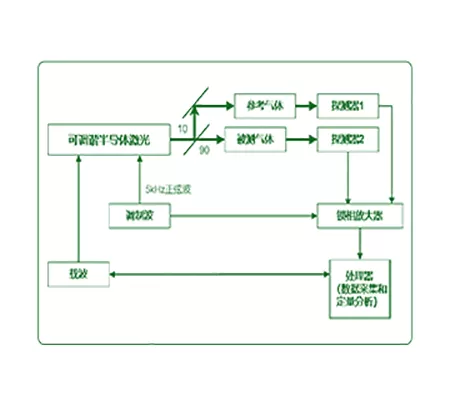
In the laser phase-locked system, the most crucial part is the use of lock-in amplifier to achieve the test gas, reference gas two-way detection, or even to achieve the measured gas, reference gas and laser background three-way detection.
Learn More
Application in Electron Beam Measurement
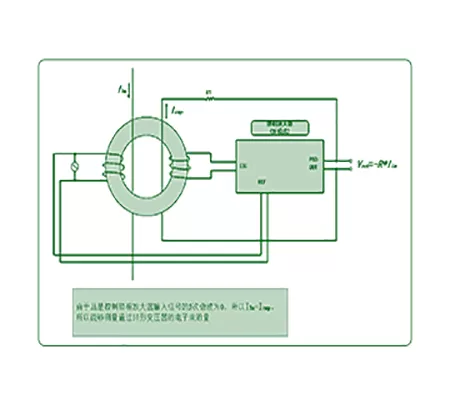
The corrected DC current of the lock-in amplifier is equal to the DC current flowing through it. The current can be measured by measuring the output of the lock-in amplifier.
Learn More
Constant Current Charge/Discharge Method Test
Constant current charging and discharging method, also known as timing potential method. Its basic working principle is to charge and discharge the tested electrode under constant current conditions, record the change rule of its potential with time, and then study the electrode's charging and discharging performance and calculate its actual specific capacity.
Learn More
OE1022 Applied to Scanning Tunneling Microscopy Measurements in Superconducting Thin Films
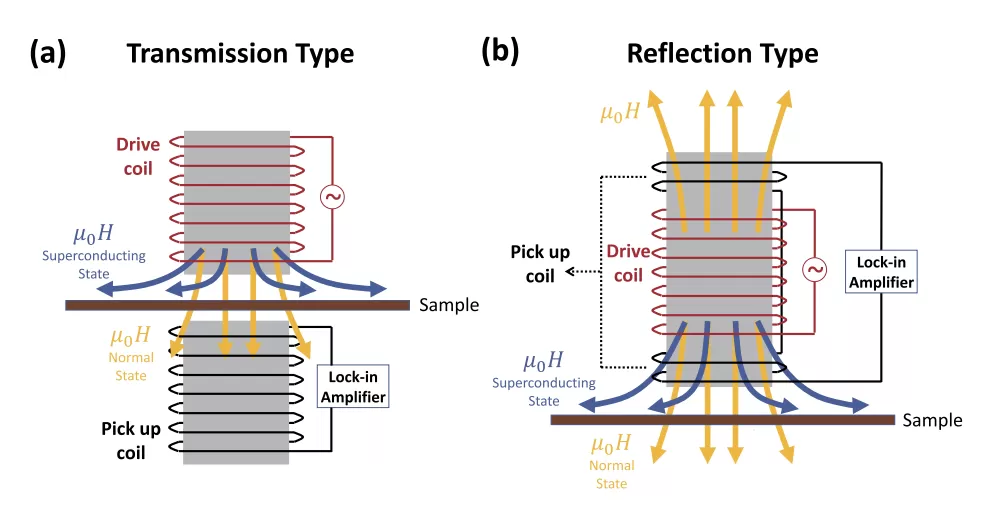
In 2017, Jinfeng Jia and Canhua Liu of Shanghai Jiaotong University published an article entitled "Development of in situ two-coil mutual inductance technique in a multifunctional scanning tunneling microscope" article, reporting the development of in situ two-coil mutual inductance technique in a multifunctional scanning tunneling microscope.
Learn More
Contact Us
* Type of Request
To know how we use it and what choices you have, please read our Privacy Policy.