




+86 20 84133345
+1 781 218 9688

What are you looking for?

Photo Acoustic Spectroscopy (PAS) is an analytical instrument with a mechanism similar to that of a secondary quantum optical spectrometer. PAS is to change the wavelength of light irradiation sample, the acoustic sensor to collect the sound of the sample, record and analyze the light wavelength corresponding to the volume of the spectrum. In principle, PAS is a spectroscopic method that captures the thermal energy generated by the substance after it absorbs light in the form of sound.
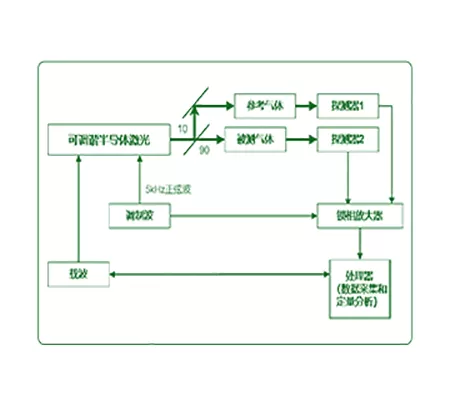
Figure 1 is a block diagram of the PAS device. Xenon lamp or CO2 laser is often used as the light source.
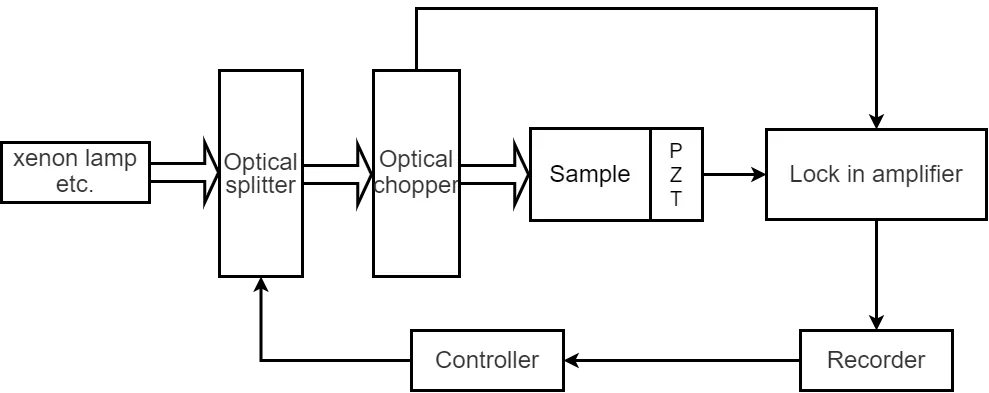
Fig.1 Block diagram of photoacoustic spectrometer installation
In addition to lead zirconate titanate (Pb(Zr,Ti)O₃, commonly known as PZT), electret capacitor microphones can also be used for the sensor.
When the sample is solid or liquid, its acoustic impedance differs from that of air. Most of the sound waves generated inside solids or liquids are reflected at the interface, resulting in failure of sound transmission into the air.
To effectively capture the generated sound waves, it is necessary to ensure that no medium with different acoustic impedance (such as air) exists between the sample and the sensor.